






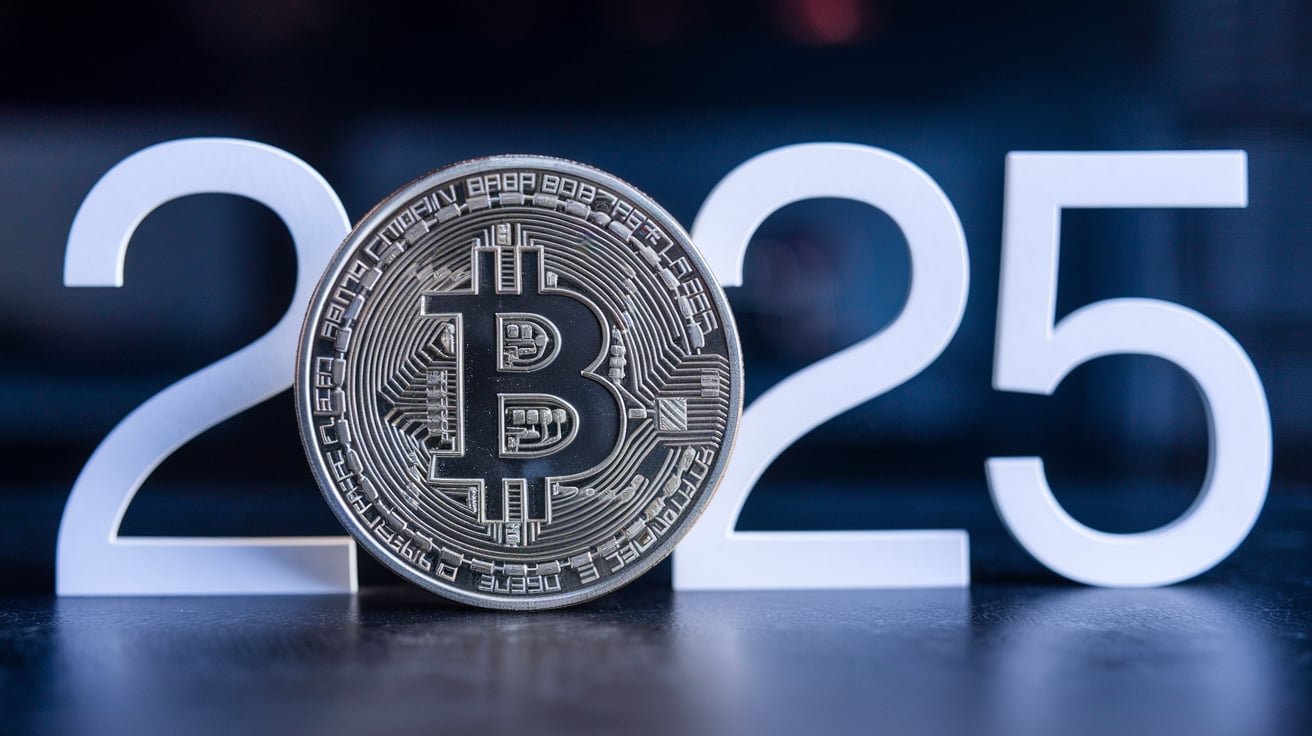
The big question on many minds: after another roller-coaster year, does Cryptocurrency still deserve a place in an investor’s portfolio? Short answer: yes — but only with clear goals, tight risk controls, and realistic expectations. Markets in 2025 have shown both vibrant innovation and stark volatility, meaning the opportunity and the risk are bigger than ever. Business Insider+1. Read More : Business Acumen: The Secret Weapon for Strategic Leadership in 2024
What happened in the market this year

2025 has been a tale of two forces. On one side, institutional infrastructure matured: more regulated spot Bitcoin products, custody services, and clearer rules in major markets have lowered some entry barriers for long-term investors. On the other, macro shocks and technical liquidations produced dramatic drawdowns — including a multi-week selloff that erased roughly $1 trillion of market value in recent months. Those dynamics make Cryptocurrency a higher-potential but higher-stress asset class now than it was a few years ago. The Guardian+1. Read More : Breaking Down Complex Financial Concepts with Finance Buzz: What You Need to Know in 2024
Regulation: a stabilizer, not a magic wand

One of the biggest structural changes is the spread of comprehensive frameworks — the EU’s MiCA rules became operational in late 2024 and other jurisdictions followed with their own rulebooks in 2025. Regulation is helping weed out bad actors, improve market integrity, and create clearer compliance pathways for banks and asset managers. That said, rules also increase compliance costs and can limit rapid innovation — a trade-off investors must understand when they bet on Cryptocurrency projects tied to financial services. PwC Legal+1. Read More : 2024 Trends in Business Bureau Complaints and What Businesses Can Learn
Where the value is coming from

Value today is less about pure speculation and more about utility: tokenized assets, programmable finance, and blockchain rails that reduce settlement friction are real sources of long-term upside. Payments, tokenized real estate, and on-chain identity systems are gaining pilot traction with firms and governments, turning Cryptocurrency from a “wild west” experiment into infrastructure that incumbents are exploring and, in some cases, embracing. Mastercard+1
Risk profile and portfolio role

If you decide to invest, think allocation first. Treat Cryptocurrency like a high-volatility satellite allocation — not your core savings. Dollar-cost averaging, position sizing, and stop-loss discipline guard against emotional errors when markets swing. Also consider liquidity needs: many tokens can face thin markets during stress, which compounds losses when you need to exit quickly.
Institutional flows and market mechanics

The institutional narrative that powered the 2021–2024 rally has become more nuanced. While ETF listings and custody solutions brought capital in, 2025 saw notable outflows during market stress, illustrating that institutional participation can amplify both rallies and declines. Understanding market mechanics — leverage, derivatives, and ETF flows — is essential if you are investing in Cryptocurrency rather than just watching it from the sidelines. Business Insider+1
How to evaluate opportunities

Look beyond hype. Focus on projects with clear product-market fit, audited code, transparent teams, and realistic token-economics. For Bitcoin or major layer-1 platforms, evaluate network fundamentals (active addresses, transaction fees, developer activity). For decentralized finance and tokenized assets, prioritize security audits and regulatory compliance. A disciplined due-diligence checklist turns Cryptocurrency research from guesswork into manageable work. Read More : From Grants to Loans: How the Financial Aid Office Supports Diverse Student Needs
Practical steps for motivated investors

Start with learning, not leverage. Simulate trades, use small allocations, and automate regular buys if you believe in the long term. Keep a watchlist, set rules for rebalancing, and keep taxes and custody safety in mind — losses are often magnified by poor operational choices, not only by price moves. Embrace the mindset that you’re investing in a transforming technology, not chasing short-term FOMO; that approach makes Cryptocurrency an engine of potential growth rather than a source of anxiety.
Final thought (no conclusion)

2025 shows that Cryptocurrency remains an investable theme — but only for those who marry optimism with rigor. The technology continues to advance, institutions are building proper rails, and regulation is pushing the industry toward maturity. At the same time, the market’s capacity for sudden corrections demands humility, planning, and respect for downside risk. If you approach with a plan and learn constantly, the volatility of today could become the opportunity of tomorrow. The Guardian+1
Sources referenced while researching this review include market reporting and datasets (market capitalization and price movements), regulatory overviews (MiCA and global policy reports), and institutional research on crypto infrastructure and adoption. Key reporting used: Business Insider and The Guardian on 2025 market moves; PwC and TRM Labs on regulation and policy; Sygnum and Mastercard on market outlook and institutional trends. Sygnum Bank+4Business Insider+4The Guardian+4



More Stories
Global Regulation Shake-Up: What Cryptocurrency Markets Must Know in 2025
The Rise of AI and Its Role in Financial Data Analytics
Remote Work: A Productivity Engine in 2025