



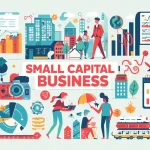



Starting a business doesn’t always require millions in investment. In fact, many successful entrepreneurs began with minimal funds, creativity, and sheer determination. Small Capital Business ventures are unique in that they allow aspiring business owners to launch, test, and grow without heavy financial burdens. With the right mindset, strategy, and resilience, turning a modest idea into a profitable venture is not only possible — it’s happening all around us. Read More : The Latest Trends in Automotive Paint Colors for 2024
Understanding the Small Capital Business Landscape

A Small Capital Business typically refers to ventures that begin with a limited financial investment — often under a few thousand dollars — and focus on creating value through innovation, customer needs, and strategic resource management. According to recent studies, many small and medium enterprises (SMEs) worldwide are launched with surprisingly little capital, with the average startup sometimes beginning with less than £6,000. Read More : The Rise of Automatic Motorcycles: A New Ride for Daily Life
This low-budget approach doesn’t mean low ambition. On the contrary, it encourages entrepreneurs to become lean, resourceful, and deeply tuned to customer demands — qualities that often make smaller ventures more adaptable and resilient than their heavily funded counterparts. Read More : The Rise of Autonomous Cars: Revolutionizing Transportation
Idea Validation and Market Research

Every profitable business, including a Small Capital Business, begins with an idea — but not just any idea. The first step toward success is conducting thorough market research. This means understanding who your customers are, what they need, and whether they’re willing to pay for your product or service.
Effective market research can be as simple as surveying your target audience, analyzing competitors, or using basic tools like social media polls. The goal isn’t perfection — it’s clarity. By validating your idea early, you’ll avoid costly mistakes and build a firm foundation for early profitability. Read More : The Rise of Electric Vehicles: Revolutionizing the Automotive Industry
Embracing Lean Startup Principles

One of the most effective frameworks for building a Small Capital Business is the Lean Startup methodology, which focuses on launching with a minimum viable product (MVP), getting rapid customer feedback, and iterating based on what you learn.
This approach allows entrepreneurs to test assumptions, refine offerings, and reduce wasteful spending. Instead of investing in expensive infrastructure or large inventories, you focus on what truly matters — delivering value to paying customers.
Bootstrapping: Growing With What You Have

Bootstrapping is another cornerstone strategy for small-budget entrepreneurship. It involves building your business with personal funds, early revenue, and disciplined spending rather than external investment. Read More : Top Economic Trends to Watch in 2024 According to Finance Yahoo
While bootstrapping often means slower growth compared to venture-backed startups, it gives you full control over your business decisions and forces you to prioritize profitability from day one. Notable companies like early Apple and eBay began with this approach, showing that starting small doesn’t limit long-term impact.
Smart Financing and Capital Strategies

For entrepreneurs seeking a Small Capital Business model, creative financing can be just as powerful as traditional funding. Beyond bootstrapping, options like microloans, crowdfunding, or community-based support can provide the necessary seed money without heavy strings attached.
Platforms like GoFundMe, Kickstarter, and local community lenders offer ways to tell your story, gain early supporters, and raise essential funds — sometimes even exceeding your initial goals.
Leverage Free Tools and Tech Platforms

One major advantage of modern entrepreneurship is access to powerful tools that cost little or nothing. From free website builders and social media platforms to basic project management tools and customer relationship solutions, these technologies level the playing field for small-budget businesses.
For example:
- Build your online presence with WordPress or Wix
- Use Canva for professional branding
- Communicate with clients through Zoom or Slack
These tools help automate processes, maintain professionalism, and reach customers — without draining your limited funds.
Customer-Centric Approach

When running a Small Capital Business, each customer interaction counts. Feedback becomes your north star: it helps you refine your product or service, tailor marketing strategies, and build loyalty.
Happy customers become your brand ambassadors — sharing word-of-mouth recommendations, leaving positive reviews, and returning for repeat purchases. This organic growth can be far more sustainable and cost-effective than expensive ad campaigns.
Marketing on a Budget
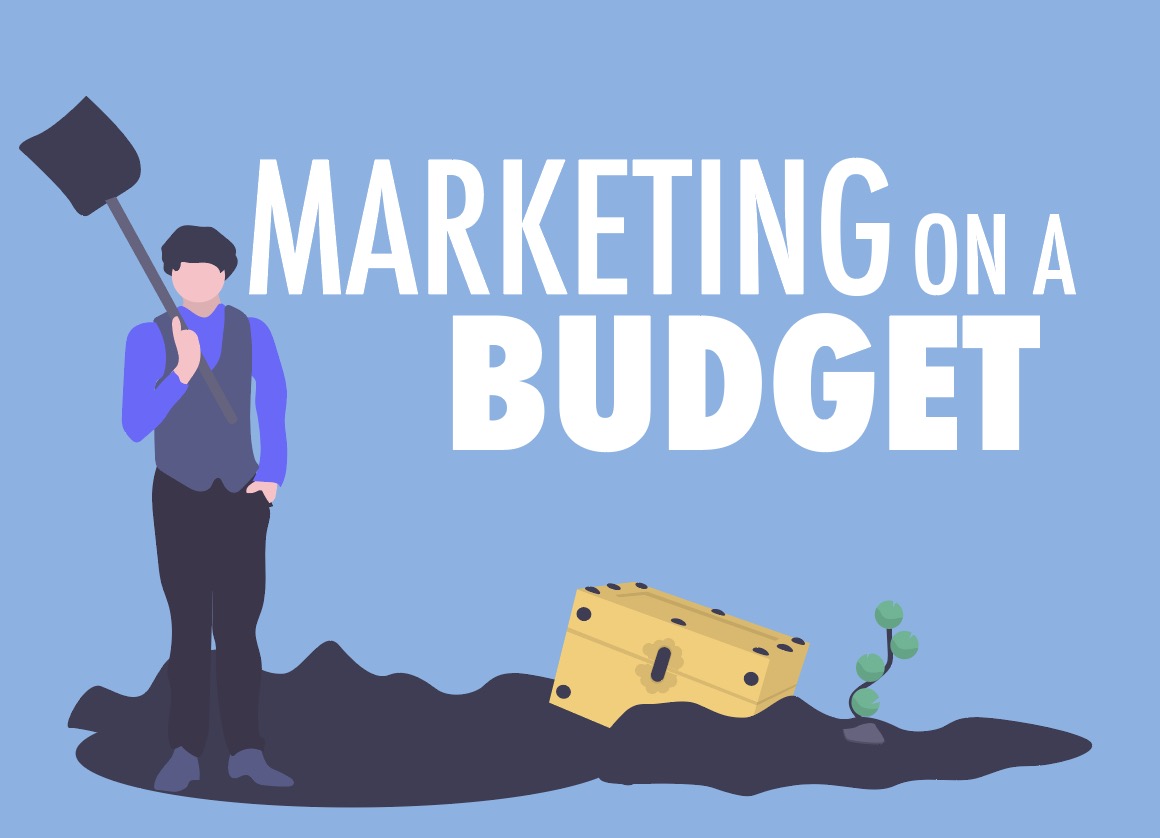
Marketing doesn’t have to be expensive to be effective. Social media platforms provide free channels to engage with your audience, tell your story, and showcase your offerings.
Posting consistently, creating valuable content, and engaging in conversations with your audience builds trust and visibility. When done right, these efforts can spark viral interest and loyal community support — both essential for growing profits without big marketing budgets.
Adaptability and Resilience

A Small Capital Business must be agile. Economic climates change, customer preferences shift, and new technologies emerge. Staying adaptable keeps you ahead of trends and better prepared to pivot when needed.
Regularly evaluating your performance, listening to customers, and making incremental improvements will help you stay relevant and continue growing, even amid challenges.
Scaling and Reinvestment

Once your business begins generating profit, the journey doesn’t stop. The next step is reinvesting those profits to scale wisely — whether it’s growing your team, expanding your offerings, or increasing your marketing reach.
Start small, celebrate early wins, and use those gains to fuel sustainable growth. Each reinvestment is a building block toward long-term success — one that began with passion, a strategic plan, and the courage to start with limited capital.



More Stories
How the Slow Travel Trend Is Transforming the Tourism Industry in 2026
Small Business Ideas with the Fastest ROI in 2026
10 Proven Small Business Ideas That Actually Make Money Online